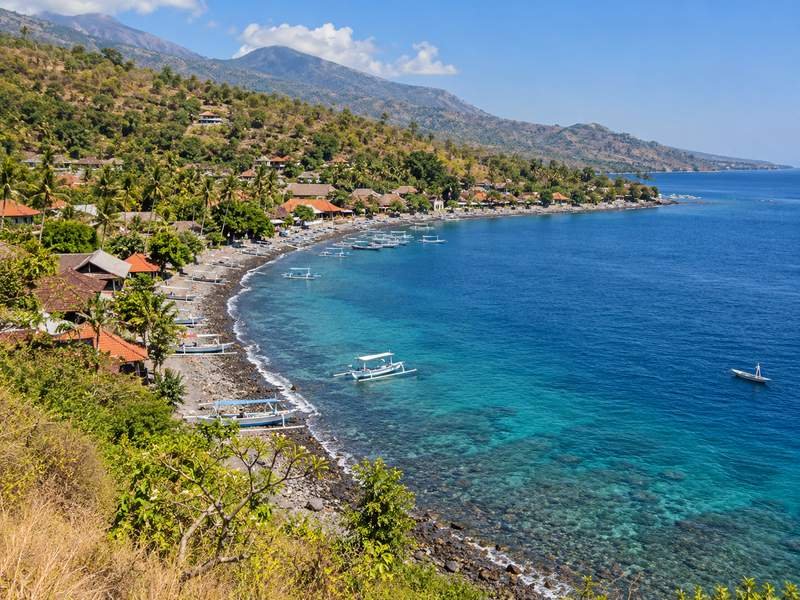
Maps of Bali lie to you. Seriously. The whole southern tip looks tiny on a smartphone screen. You think it’s easy—just pick a beach, find a cliff for sunset, and book a pretty hotel. But once you get to the Bukit Peninsula? Reality hits like a brick wall. The roads are narrow. Winding. Chopped up by huge limestone ridges. A short five-minute drive turns into a brutal hour in a sweaty traffic jam breathing scooter exhaust. If you don’t plan around how the local roads actually work, you’ll spend your vacation staring at brake lights instead of feeling the ocean breeze.
Planning a trip down to this corner? Just pick one neighborhood. Stick to it. Stop running through a massive checklist of tourist sights every single afternoon. Treat sunset as an excuse to sit down and relax—not a stressful deadline you need to race toward. This honest Uluwatu travel guide wants to save your sanity. Staying two or three nights gives you a decent taste of the coast. But if your dream holiday is all about saltwater, surf culture, and staring at the blue sea from a high cliff? Stretch it to a full week. The real magic isn’t about ticking off famous landmarks. It’s the daily vibe. Hidden cliffside cafes. Massive waves. Those cooler evening hours when everyone finally comes outside to breathe.
Why You Can’t Just Walk Everywhere Here
People book a hotel with an Uluwatu address and assume they can walk to dinner. Huge mistake. The peninsula is just a scattered puzzle of completely different coastal pockets. Every single one has its own mood, its own weird road setup, and its own painful way down to the sand. A hotel that is absolute heaven for a pro surfer might feel totally annoying and isolated for someone who wants a lively street to walk down for a casual dinner. That is why any realistic Uluwatu travel guide will tell you to check the actual roads before booking.
Look into Bali weather and travel seasons before locking in your flight tickets. The changing monsoon shifts don’t just bring random rainstorms. They completely flip the wind directions from one side of the peninsula to the other. This dictates which beaches stay clean and where the surf breaks perfectly. During the dry months, the western breaks get flawless offshore wind. The wet season changes everything completely. You have to adapt your beach days depending on the exact month you show up.

Picking Your Base Without Screwing Up Your Trip
Visualize your mornings before throwing down money on a room. Want to wake up and step directly onto wet sand? Look for those tucked-away, tricky cliffside stays near Bingin or Suluban. Prefer waking up and walking to a breakfast joint without hiking up and down a hundred steep, slippery stone steps? A hotel closer to the main flat roads of Padang Padang will make your life ten times easier. Look at how your day flows. A flashy online Uluwatu travel guide helps a bit—sure—but your personal energy levels and knees matter way more.
Padang Padang and the surrounding Labuan Sait area are basically the busy, pulsing heart of the coast. It balances trendy cafes and surf shops. Then you have Bingin. Honestly, it feels like a completely different planet. It’s a raw, steep, spectacular coastal community built right into the rock face where the ocean is the only thing people care about. But you have to be ready to walk. The stairs there are pretty brutal. You will be sweating bullets before you even touch the saltwater. Further east, Jimbaran is way flatter and closer to the airport. It’s easy to escape to the rest of Bali while keeping the southern beaches within a reasonable driving distance. Go all the way to Melasti on the southern edge and you get towering white limestone walls and massive, luxury beach clubs—but everything is totally spread out and you cannot walk anywhere on foot.

Throw Away Your Checklist and Slow Down
The famous clifftop temple is a staple on everyone’s itinerary, but a great trip down here should never feel like a frantic race against time. Let the tide dictate your clock. Spend one morning just swimming around the rocks, followed by a long, lazy seafood lunch that stretches for three whole hours. This isn’t your standard rigid holiday. Any good Uluwatu travel guide should remind you to leave your everyday stress at the airport terminal. Keep the next afternoon completely open for high clifftop views before you sit down on the ground for an evening fire dance.
Remember that getting down to the water along this rugged coast takes serious legwork. Many famous beaches require navigating steep, uneven rocky paths or walking a long way from a parking lot on burning hot asphalt. Traveling with young toddlers, older parents, or just a massive bag of heavy beach gear? That completely changes what you can realistically do in a single day. To feel the true spirit of the south, leave intentionally empty spaces in your schedule. Stop chasing every single viral spot you see on your social media feed. Instead, wander into lesser-known places in Bali that don’t always show up on the front page of popular travel blogs. Sometimes the absolute best part of the trip is an unsigned dirt path that leads to a totally empty cove. Or a tiny family-run roadside warung where you eat the best local food of your life while watching the scooters buzz past.
The Brutal Truth About Getting Around
Transport catches independent travelers completely off guard out here. The terrain is rugged and broken up by massive green valleys. Grouping your daily stops into tight geographical clusters is the only way to save your sanity. This is a core tip in my Uluwatu travel guide because trying to drive from one side of the peninsula to the other just to see a different beach for lunch and then heading back for sunset is a logistical nightmare that will leave you completely exhausted.
Rental scooters are everywhere, but only rent one if you are fully licensed, properly insured, and have real experience with chaotic Indonesian traffic and loose gravel roads. The steep hills and sharp corners of the Bukit can be unforgiving if you don’t know what you are doing. For smooth airport transfers, moving between hotels, or safely exploring multiple coastal areas in one day, hiring a private vehicle with a driver is a lifesaver. If you want to turn these structural insights into a seamless, stress-free route across the peninsula, the Bali travel experts at Bali Prime Travel can help you map out a custom itinerary or arrange a reliable private tour. They understand exactly how the island moves hour by hour, making sure your journey flows naturally from the jungle to the sea without making you backtrack through the same traffic bottlenecks over and over again.

How to Outsmart the Sunset Traffic Chaos
A practical Uluwatu travel guide should also account for how quickly road conditions can change your plans, especially in the late afternoon when more travelers start moving toward the western cliffs. Timing is everything out here. Around four in the afternoon, a massive wave of travelers starts moving toward the western cliffs for sunset. The main arteries choke up instantly. The smartest workaround this classic Uluwatu travel guide dilemma is simple: pick your sunset spot early and just spend your whole afternoon right next to it so you do not have to drive when the roads clog up.
Mornings are your best weapon to beat both the intense tropical heat and the tour bus crowds. The beaches feel completely untouched early in the day, though you should always glance at local tide charts. A beach like Suluban completely disappears at high tide, transforming from a walkable cave into a roaring surf channel. Bring plenty of water, protect yourself from the harsh cliffside sun, and let the southern coast slow you down.